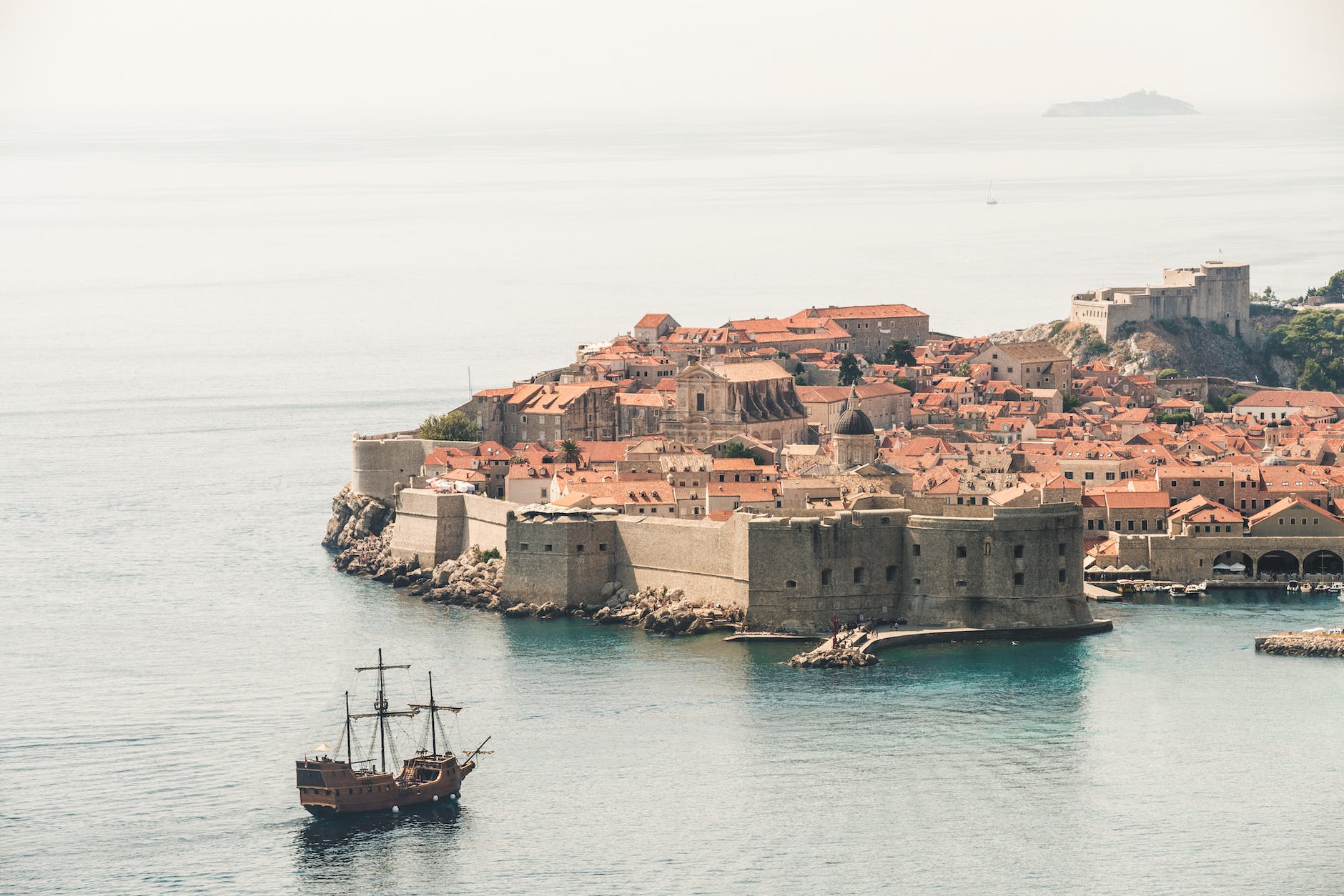
A journey for a visit To Croatia promises a delightful fusion of history, culture, and natural beauty. Nestled along the Adriatic Sea, this enchanting destination provides travelers with numerous experiences. Visitors can explore its coastal splendor, old-world charm, and gastronomic delights. As you prepare for your adventure, consider these indispensable insights to ensure an unforgettable Croatia travel guide during your visit.
Croatia Travel Guide for Best Time to Visit
The timing of your visit can significantly impact your experience. The high season, spanning from June to August, offers warm weather and bustling festivals. However, the crowds and prices also peak during this period. Spring (April to May) and early fall (September to October) provide pleasant weather. There are fewer tourists during these times. You can have a more intimate encounter with Croatia Destination’s beauty.
Summer (June – August): Croatia’s peak tourist season falls in the summer months. The coastal regions, adorned with stunning beaches, come alive with vibrant energy. This is the time for beach lovers, water sports enthusiasts, and festival-goers. The Adriatic Sea is warm and inviting, and the streets are bustling with life. However, be prepared for larger crowds and higher prices. Popular destinations like Dubrovnik and Split can be particularly busy during this period. If you’re drawn to lively beach parties, vibrant nightlife, and energetic atmospheres, summer is your season.
Spring (April – May) and Early Fall (September – October): These transitional seasons offer a more balanced experience. In spring, the landscapes are painted with fresh blooms and lush greenery as temperatures rise. This is an excellent time for sightseeing, exploring historical sites, and indulging in the local culture. Similarly, early fall boasts warm weather and fewer crowds, making it ideal for leisurely exploration and enjoying coastal activities. If you prefer milder temperatures, and you want lower tourist numbers, choose these seasons. They offer a more intimate connection with the surroundings.
Croatia Travel Guide for Weather
Croatia’s climate is Mediterranean, bringing hot, dry summers and mild winters. Coastal regions boast agreeable temperatures, while inland areas may see colder winters. Pack a versatile wardrobe that includes light clothing and layers for changing weather conditions.
- Spring (April – May): Mild and rainy, temperatures range from 10°C to 20°C. Blooming landscapes emerge.
- Summer (June – August): Hot and sunny, coastal highs reach 25°C – 35°C. Perfect for beach activities and water sports.
- Early Fall (September – October): Pleasant and warm, temperatures average 15°C – 25°C. Sea remains inviting.
- Late Fall – Winter (November – March): Cooler, coastal and inland areas range from 5°C to 10°C. Off-peak for tourists, with inland regions offering winter activities.
Staying Connected with a Croatian SIM Card
In a world where staying connected is essential, acquiring a Croatian SIM card is an ideal solution. Options such as Airalo provide seamless data access. They also facilitate communication and navigation without incurring exorbitant roaming charges.
Airalo offers a cost-effective and hassle-free solution to staying connected while visiting Croatia. With flexible data plans accessible through your smartphone, you can navigate, share, and explore without worrying about excessive roaming charges. Instant activation provides seamless connectivity. You have continuous coverage. Customize plans to meet your needs. These features make Airalo an essential companion for an uninterrupted and budget-friendly experience in Croatia.
Embracing Schengen
Croatia Destination’s inclusion in the Schengen Area in 2023 has profoundly impacted various aspects of its dynamics. This development has streamlined travel, making border crossings into neighboring Schengen countries smoother for both tourists and locals. This change has boosted multi-country travel itineraries and bolstered tourism in Croatia. Moreover, the harmonization of border controls has facilitated economic integration, making cross-border trade and investment more accessible.
More benefits
Security cooperation has improved. Croatia Destination participates in the Schengen Information System to enhance data exchange. They are making collaborative efforts against crime and terrorism. Additionally, the journey towards Schengen admission prompted internal reforms, potentially leading to advancements in governance, security measures, and infrastructure. Ultimately, this move has eased movement. It has also aligned Croatia further with the European community. This change enhances its attractiveness as a travel destination and investment opportunity.
Croatia Travel Guide for Currency and Payment : Cash or Credit Cards?
Starting in 2023, the Euro (EUR) will be the official local currency in Croatia. This change is significant for tourists visiting the country. This transition simplifies currency exchange and transactions, providing convenience and ease during your trip. Here’s what you need to know as a tourist:
Payment Methods: Croatia is increasingly becoming a cashless society. Major credit and debit cards (Visa, MasterCard, American Express) are widely accepted in cities, towns, and tourist destinations. You can use cards to pay for various services, accommodations, and even at smaller establishments like restaurants and shops. Contactless payments are also becoming more prevalent, simplifying transactions for both locals and visitors.
Cash Usage: While cards are accepted in many places, having some cash on hand is still recommended. This is particularly true when visiting smaller towns, local markets, or rural areas. In these places, card acceptance might be limited. Cash will also come in handy for smaller purchases or when visiting establishments with no card facilities.
ATMs and Cash: ATMs that dispense Euros are readily available throughout Croatia. This provides flexibility to withdraw cash as needed. Use it for smaller purchases, markets, and places that might not accept cards. However, be mindful of potential fees associated with using foreign ATMs.
Currency Conversion: When using your credit or debit card for transactions, you might be given an option. You could choose to pay in your home currency. This is common, especially in tourist areas. This process is called Dynamic Currency Conversion. Alternatively, you can choose to pay in EURO. Opting for EURO often provides a better exchange rate and saves you from potential additional fees associated with currency conversion.
Croatia Travel Guide for Tipping
Tipping in restaurants and cafes in Croatia is customary but not mandatory. While not obligated, leaving around 10% of the bill is a common practice to show appreciation for good service. Check the bill for a service charge before adding a tip. Tips can be given in cash or added to card payments. Rounding up the bill or leaving loose change is a simple way to tip. In tourist areas, servers are familiar with varying tipping norms. Ultimately, tipping is a gesture of gratitude for the service received.
Quench Your Thirst with Tap Water
Drinking tap water in Croatia Destination is generally safe and recommended in most areas. The country maintains a high standard of water treatment and quality, adhering to European Union regulations. Here’s what you need to know about drinking tap water in Croatia:
Water Quality: The tap water in Croatia is treated and monitored to meet strict safety standards. In urban areas, especially in popular tourist destinations and major cities, the water quality is excellent and safe for drinking.
Bottled Water: Tap water is safe. However, if you prefer bottled water, it is widely available at supermarkets. You can also find it in convenience stores and restaurants. Purchasing bottled water contributes to plastic waste. Using a reusable water bottle and refilling it with tap water is an environmentally friendly option.
Rural Areas: In more remote or rural areas, it’s a good idea to ask locals about the water quality. This is especially true if you’re staying in smaller villages. You can also ask your accommodation provider. In some cases, they might recommend boiling tap water before consumption, or you might choose to rely on bottled water.
Personal Preference: If you’re particularly sensitive to changes in water, you might worry. You may be concerned about any potential differences from what you’re used to. Bottled water is always a convenient alternative.
Traveler’s Diarrhea: In any country, travelers may have an adjustment period. Their digestive systems adapt to local water and food, including in Croatia. If you have concerns, you can start by drinking bottled water and gradually transitioning to tap water.
Overall, drinking tap water in Croatia is safe and recommended in most urban and tourist areas. By doing so, you not only save money and reduce plastic waste but also contribute to environmentally sustainable practices.
Croatia Travel Guide for Language and Communication
English proficiency in Croatia Destination is quite high, particularly in urban and tourist areas. Many Croatians, especially those working in the tourism industry, have a good command of English. Here’s an overview of English fluency in different contexts:
1. Urban Areas and Tourist Hubs: In cities like Zagreb, Split, and Dubrovnik, many people speak English fluently. You will also find fluent English speakers in coastal towns. Staff at hotels, restaurants, shops, and attractions are often well-versed in English to cater to international visitors.
2. Younger Generations: The younger population in Croatia generally has a strong grasp of English. This is due to its widespread teaching in schools and universities. It’s common for younger people to communicate comfortably in English.
3. Rural Areas: English fluency may not be widespread in more rural or remote areas. However, basic communication can still be managed. This is especially true in businesses that deal with tourists.
4. Public Services and Entities: Many official websites, signs, and information are provided by public services and entities. These include transportation services, museums, and tourist information centers. They are often available in English. This availability makes it easier for tourists to navigate.
5. Accent and Communication: While English is spoken well by many Croatians, keep in mind that accents might vary. Some locals might have a noticeable Croatian accent, but this typically doesn’t hinder effective communication.
6. Enhancing Interaction: Learning a few basic Croatian phrases can be appreciated by locals and enhance your interactions. However, English is generally sufficient for day-to-day communication.
In summary, English proficiency is prevalent among Croatians, especially in urban and tourist-centric areas. You can expect to communicate comfortably in English during your travels in Croatia.
Safeguarding Your Journey with Travel Insurance
Travel insurance is a vital component of a worry-free trip to Croatia Destination. It offers a safety net against unforeseen circumstances that could disrupt your journey. Travel insurance shields you from financial losses due to medical emergencies. It also provides support for trip cancellations and lost belongings. Additionally, it helps with travel interruptions when unexpected situations arise. This is especially significant in Croatia, with its diverse range of outdoor activities and the potential for flight disruptions. Whether you’re exploring historic sites, enjoying the Adriatic coastline, or engaging in adventure sports, travel insurance ensures a worry-free experience. You can savor your time without concern. You know you’re prepared for any eventuality.
Croatia Travel Guide for Safety
Croatia Destination offers a generally safe and secure environment for travelers. Violent crime is rare due to a low crime rate and a focus on tourism. However, petty incidents like pickpocketing can occur. This is especially true in crowded tourist spots. Popular areas like Dubrovnik, Split, and coastal towns are well-patrolled and safe, while the country’s coastal regions are particularly secure.
Natural disasters are infrequent, and the healthcare facilities are modern and up to European standards. Adhering to local laws and customs, understanding road safety, and being aware of emergency services are crucial. LGBTQ+ travelers find increasing acceptance, especially in urban and tourist areas.
Croatia is safe. Stay informed via travel advisories. Practicing common-sense precautions ensures a smooth and secure travel experience. This allows you to fully immerse yourself in the country’s rich offerings.
Planning Ahead: Booking Excursions
To optimize your Croatian experience, meticulous planning and strategic excursion bookings are key. Begin by researching thoroughly to understand the array of activities available, from historical sites to coastal adventures.
Prioritize based on your preferences and allocate sufficient time for each excursion. Booking in advance is advisable, especially for popular options, to secure availability during peak seasons. Checking reviews aids in selecting reputable providers, and opting for local operators often ensures an authentic encounter. Review the inclusions—transport, meals, fees—to avoid unexpected costs.
While planning is important, allow flexibility for spontaneous exploration. Factor in weather conditions and remain culturally sensitive during interactions. Pack appropriately for the trip. Communicate your dietary needs in advance. Doing these will ensure you are well-prepared to embark on an enriching journey through Croatia Destination’s diverse offerings.
Savoring Croatian Cuisine
Croatian cuisine, a fusion of Mediterranean, European, and Balkan influences, offers a delightful journey for food enthusiasts. Embrace the coastal abundance by indulging in fresh seafood dishes, ranging from grilled octopus to seafood risottos. Each region boasts its own specialties, from the slow-cooked “peka” dish to the unique Istrian truffles. Be sure to pair your meals with Croatia’s excellent wines and savor the country’s renowned olive oil. Explore local markets for fresh produce and engage with vendors to capture the vibrant market atmosphere. To experience Croatian dining deeply, find traditional taverns. These “konobas” offer regional dishes in an authentic setting.
Culinary Insights and Etiquette
Immerse yourself in the local culture by respecting customs such as dining at a leisurely pace and engaging in conversations over meals. Seek dining recommendations from locals to discover hidden gems and authentic flavors. Communication is key—inform servers of any dietary restrictions or preferences. Don’t miss the opportunity to enjoy seasonal specialties and round off your culinary journey with Croatian desserts like “Rozata” and “Fritule.” Through exploring Croatia’s diverse culinary landscape, you’ll gain a deeper connection to its history, culture, and people.

Engaging Conversations: Navigating Sensitive Topics
Engaging in conversations with Croatians about their culture offers a window into the country’s history, perspectives, and way of life. However, it’s essential to approach sensitive topics with care and cultural sensitivity to foster meaningful exchanges. Here’s a closer look at how to navigate such conversations:
Most Common Topics
Starting Lightly: Initiate conversations with topics that promote rapport, like local cuisine, landmarks, and travel experiences. This establishes a comfortable atmosphere and sets the stage for deeper discussions.
War and History: Croatia Destination’s recent history includes the challenging period of the 1990s war for independence. While many Croatians are willing to discuss this topic, it’s crucial to approach it with sensitivity and respect. Listen actively, without making assumptions, and express genuine interest in their perspective.
Personal Questions: Respect personal boundaries, especially with new acquaintances. Croatians value their privacy, so avoid intrusive questions about personal matters, family, or income.
Religion and Politics: Religion and politics are sensitive areas that can evoke strong emotions. If these topics arise naturally, engage in active listening and express your thoughts thoughtfully, avoiding confrontational language. Be prepared for diverse viewpoints and remain respectful.
Listening Actively: When discussing sensitive subjects, active listening is paramount. Demonstrate genuine interest in their opinions, ask open-ended questions, and validate their perspectives.
Less Common Topics
Body Language and Cues: Pay attention to body language and nonverbal cues. If someone appears uncomfortable or hesitant discussing a particular topic, gracefully transition to a safer subject.
Sharing Your Perspective: If asked about your own country or experiences, share openly while considering the context. This reciprocal sharing can lead to enriching cultural exchanges.
Respectful Exits: If a conversation becomes uncomfortable, gracefully steer it back to neutral ground. If it veers into sensitive territory, politely conclude the discussion.
Cultural Variations: Cultural norms vary, so what might be acceptable in one culture might not be in another. Adapt your approach to align with local sensitivities and customs.
Engaging in thoughtful conversations with Croatians is a wonderful way to learn and connect. Handle sensitive topics with respect, empathy, and cultural understanding. Doing so fosters genuine interactions. These interactions broaden your perspective and deepen your travel experience in Croatia Destination.
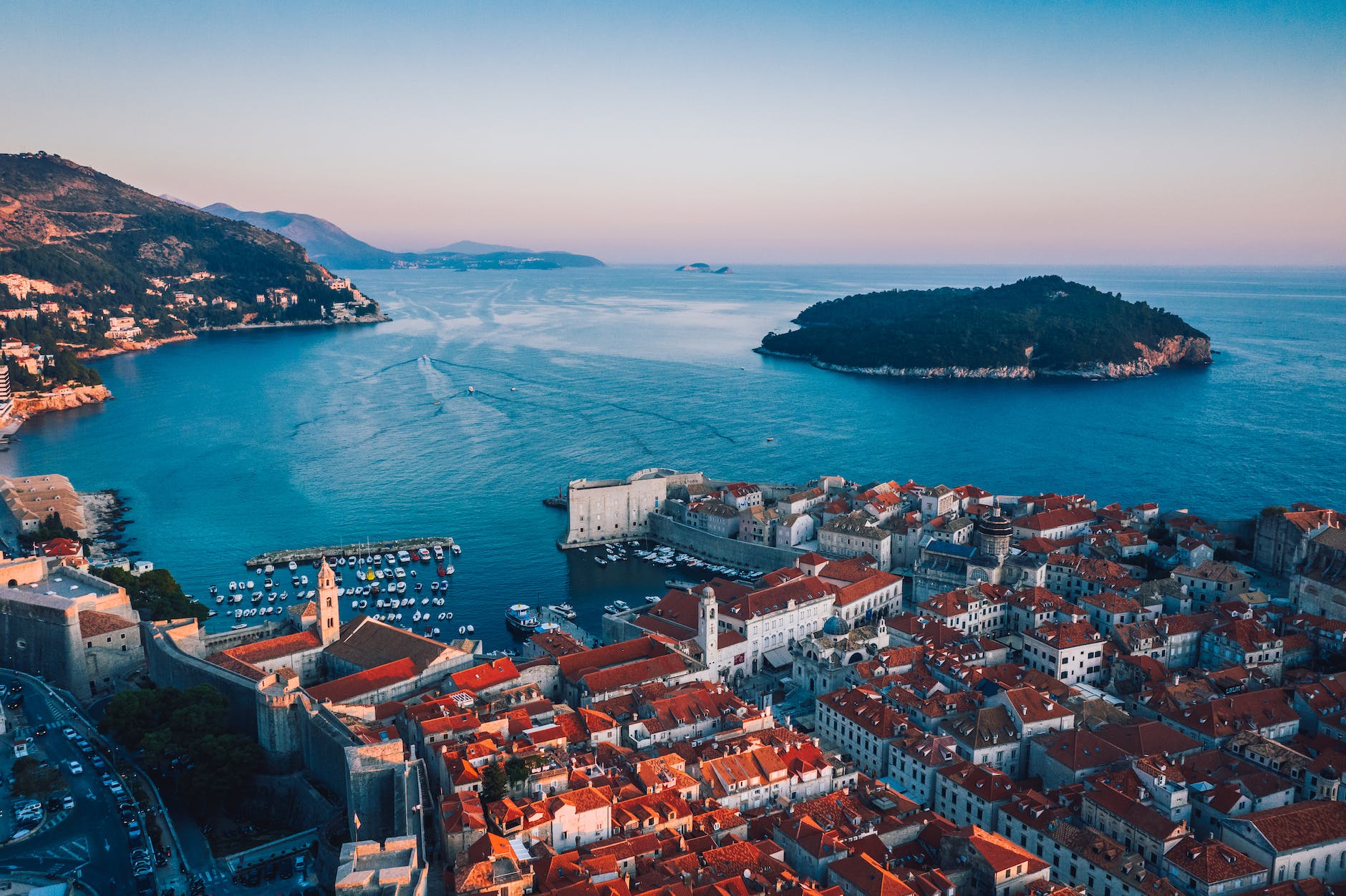
Dubrovnik: Croatia Destination’s Crown Jewel
Laying on the picturesque Croatian coastline, Dubrovnik stands as a true gem of the Adriatic. Known as the “Pearl of the Adriatic,” this enchanting city beckons travelers. It offers a captivating blend of historical charm. Visitors can also enjoy its stunning landscapes and a vibrant cultural scene. Here’s your comprehensive Croatia Travel guide to exploring this extraordinary destination:
1. Old Town Dubrovnik: A Historical Marvel
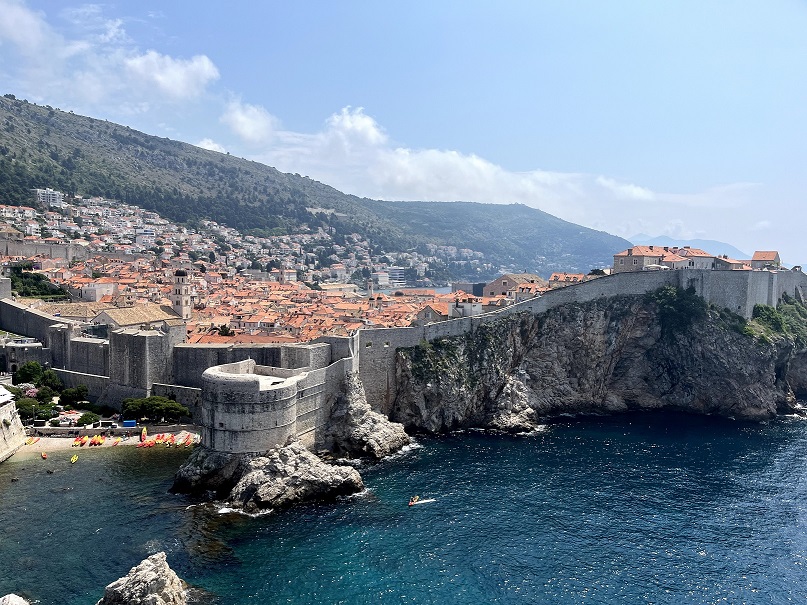
Dubrovnik’s heart and soul reside within its Old Town, a UNESCO World Heritage site that’s nothing short of magical. As you step through its imposing stone gates, you’ll be transported back in time. The Old Town showcases the city’s rich history. It features medieval walls, narrow cobblestone streets, and baroque architecture. It’s a place where every corner reveals a piece of history, and every building tells a story.
2. Game of Thrones Connection: A Fantasy Come to Life
If you’re a Game of Thrones enthusiast, Dubrovnik is a must-visit destination. It served as the primary filming location for King’s Landing in the iconic TV series. Join guided tours. They take you to familiar settings. You can visit the Red Keep, the Great Sept of Baelor, or the Walk of Shame steps. It’s a chance to step into the world of Westeros and experience the magic of the show firsthand.
3. Beaches and Water Activities: Sun, Sand, and Sea Adventures
Dubrovnik’s coastline is dotted with beautiful beaches. One of the most popular is Banje Beach. It is located conveniently near the Old Town. With its pebbled shores, it is a perfect spot for sunbathing. Its crystal-clear waters are ideal for swimming. You can enjoy water sports with views of the city walls. If you’re up for exploration, take day trips to nearby islands like Lokrum and the Elafiti Islands. Enjoy snorkeling, hiking, and peaceful relaxation there.

4. Cable Car Ride: A Bird’s Eye View
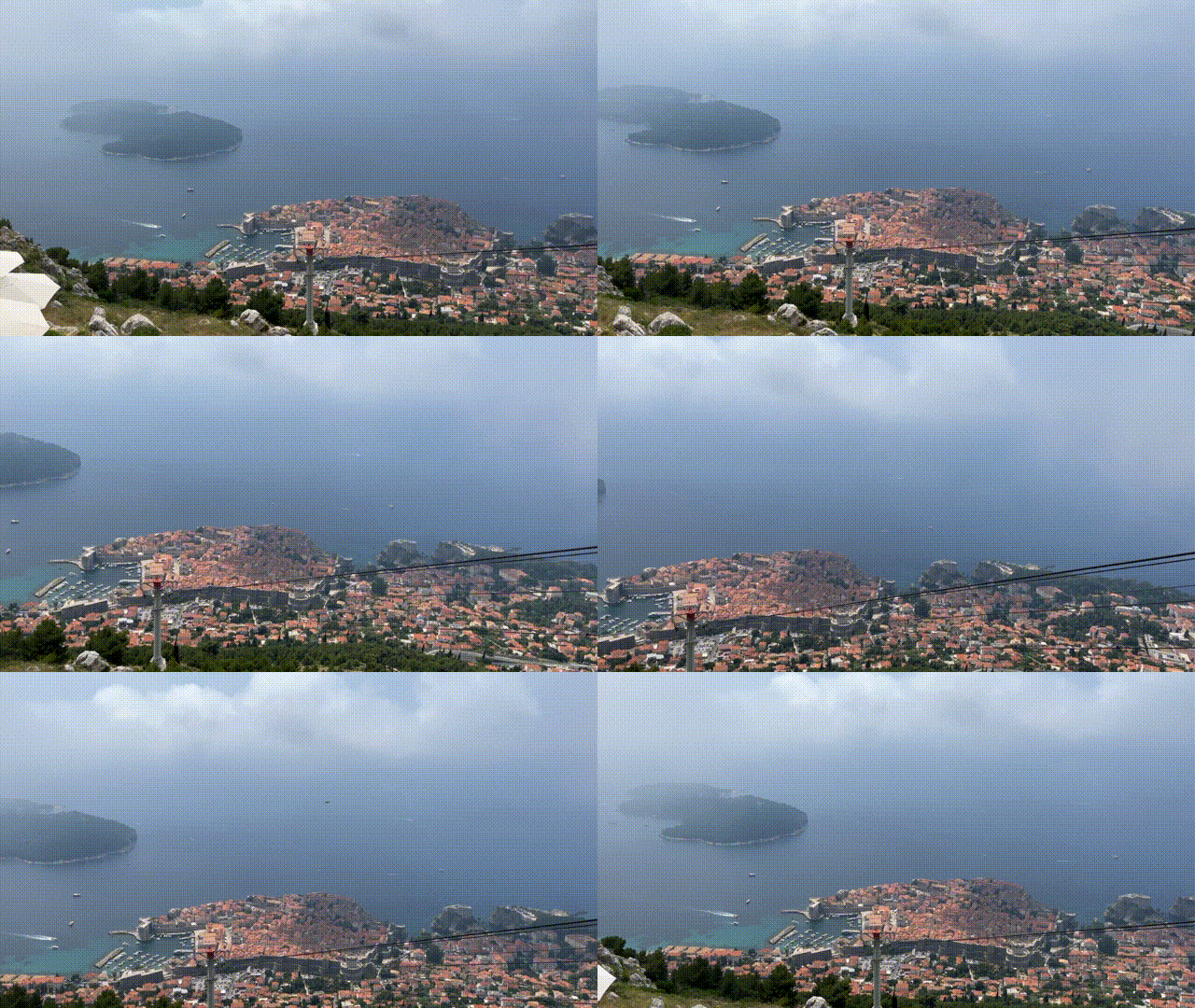
For a panoramic view that will leave you speechless, take a cable car ride to the top of Mount Srđ. As you ascend, you’ll witness Dubrovnik’s red-tiled rooftops and the endless blue of the Adriatic Sea unfolding before you. The vista is particularly enchanting at sunset, making it a popular spot for capturing memorable photos.
5. Dining and Cuisine: A Feast for the Senses
Dubrovnik is famous for its seafood, and you’ll find a plethora of restaurants serving up fresh catches from the Adriatic. Don’t miss out on trying Dalmatian specialties like octopus salad, black risotto, and “Peka,” a traditional slow-cooked dish. After indulging in savory delights, relax at charming cafes and bars within the Old Town. You can sip coffee or enjoy evening drinks while admiring the backdrop of historic architecture.
6. Local Culture and Events: Immersed in Tradition
Depending on the time of your visit, you might have the opportunity to partake in local cultural events and festivals. The Dubrovnik Summer Festival is a highlight, featuring classical music and theater performances in historical venues throughout the city. It’s a chance to immerse yourself in Croatian culture and artistic expressions.
7. Practical Tips: Making the Most of Your Visit
Dubrovnik can get exceedingly crowded during the peak summer season. Consider planning your visit during the shoulder seasons (spring or fall). This timing offers a more relaxed experience. The Mediterranean sun is strong, so ensure you wear sunscreen, hats, and sunglasses for protection. The local currency is the Euro. Currency exchange services are widely available but using multi-currencies debit cards are highly recommended.
8. Accommodation: A Range of Options
Dubrovnik offers a wide array of accommodation options to suit various budgets and preferences. For those seeking a touch of luxury, boutique hotels offer a charming stay. Historic guesthouses within the Old Town provide convenience. Alternatively, there are budget-friendly apartments and hostels in the surrounding areas. It’s advisable to book accommodations in advance, especially during the high season, to secure your stay.
9. Transportation: Navigating the City
Dubrovnik is served by Dubrovnik Airport, offering international flights. From there, you can reach the Old Town via airport shuttles or taxi services. Within the city, the local bus system is efficient and affordable for exploring both Dubrovnik and its nearby areas.
10. Respect Local Customs: Honoring Tradition
When visiting churches and religious sites, it’s essential to dress modestly by covering shoulders and knees out of respect. Be aware that many locals take a siesta break in the early afternoon. During this time, respect quiet hours.
A Timeless Treasure Awaits
Dubrovnik, with its historical treasures, cinematic connections, and natural beauty, offers travelers an enchanting escape. As you explore this Adriatic jewel, take your time to savor the rich heritage. Immerse yourself in its cultural tapestry. Revel in every moment of your visit to this timeless Croatian treasure.
Croatia Travel Guide for Budgeting Charms:
As you plan your journey, factor in Croatia’s costliness, particularly during peak Seasons. Conduct thorough research on accommodations, dining, and transportation to strike a balance between enjoying your trip and managing expenses.
Research and Planning:
- Currency and Exchange Rates: Familiarize yourself with the new local currency, the EURO. Keep an eye on exchange rates to make informed currency exchanges.
- Budget Allocation: Determine a daily or overall budget that covers accommodation, meals, transportation, activities, and unforeseen expenses.
Accommodation:
- Variety of Options: Croatia offers a range of accommodation options, from luxury hotels to budget-friendly hostels and guesthouses. Research in advance to find options that fit your budget and preferences.
- Booking in Advance: Especially during peak tourist seasons, booking your accommodations early can help you secure better rates. It also improves availability.
Transportation:
- Local Transport: Croatia’s public transportation is well-developed and affordable. Consider using buses, trams, and ferries for getting around cities and traveling between towns.
- Car Rentals: If you plan to explore more remote areas or multiple destinations, renting a car can offer flexibility. Compare prices, including fuel costs, insurance, and potential tolls.
Meals and Dining:
- Local Eateries: Opt for local restaurants and “konobas” to experience authentic Croatian cuisine at reasonable prices. Look for daily specials or set menus for value.
- Markets and Groceries: To save on food expenses. Buy snacks, fruits, and picnic items from local markets or grocery stores.
- Cafes and Bakeries: Enjoy affordable coffee and pastries from local cafes and bakeries as a budget-friendly way to indulge.
Activities and Sightseeing:
- Free and Low-Cost Activities: Many of Croatia’s attractions, like city walks, beaches, and parks, are accessible at no cost. Some might have a minimal entrance fee.
- Attraction Passes: If you plan to visit multiple museums and attractions, consider purchasing city or regional passes for discounted entry.
Money-Saving Tips:
- Tap Water: Drink tap water to save on bottled water expenses while contributing to eco-friendly practices.
- Happy Hours: Take advantage of happy hours for discounted drinks and meals in cafes and restaurants.
- Cultural Events: Look for local events, festivals, and concerts that offer a glimpse into Croatian culture without breaking the bank.
Emergency Funds:
- Buffer Fund: Keep a small amount of cash or an emergency credit card for unexpected situations or unforeseen expenses.
Technology and Banking:
- Currency Conversion Apps: Utilize currency conversion apps to easily convert prices into your home currency.
- ATMs: Use ATMs to withdraw cash in the local currency. Check with your bank about international withdrawal fees.
By researching, planning, and making mindful choices, you can manage your budget effectively during your Croatian adventure. This is especially true for Dubrovnik city, which is the most expensive there. Balancing cost-conscious decisions with memorable experiences lets you fully embrace Croatia’s culture. It also allows you to enjoy the history and natural beauty Croatia has to offer.
Exploring The Nature of Croatia Destination: National Parks
Croatia’s natural beauty is showcased in its stunning national parks, each offering a unique and captivating experience. Here’s what tourists should know about visiting Plitvice Lakes, Krka, and Paklenica National Parks:
Plitvice Lakes National Park:
- Natural Masterpiece: Plitvice Lakes is renowned for its cascading waterfalls, interconnected lakes, and lush landscapes. It’s a UNESCO World Heritage site and one of Croatia Destination’s most iconic destinations.
- Entrance and Tickets: The park has several entrances, with different trails and routes to explore. Tickets can be purchased at the entrances or online in advance to avoid crowds and secure your visit.
- Trails: The park offers a range of trails, from easy walks to longer hikes. Follow designated paths to preserve the natural environment and adhere to safety guidelines.
- Ferry and Buses: The park provides ferry rides and buses to help you explore various sections of the park. Check the schedule and plan your route accordingly.
- Swimming: Swimming is not allowed in the lakes to protect the fragile ecosystem. Follow park regulations and enjoy the views from the designated viewpoints.
Krka National Park:
- Waterfalls and River: Krka National Park is renowned for its waterfalls and the Krka River. Unlike Plitvice, you can swim in certain areas of the park, including the popular Skradinski Buk waterfall.
- Boat Tours: Boat tours are a fantastic way to experience the park. They take you along the river, providing unique perspectives of the waterfalls and lush surroundings.
- Entrance and Tickets: Similar to Plitvice, purchase your tickets online or at the park entrances. To avoid crowds, consider visiting early in the morning or during the shoulder seasons.
- Ethno Village: Skradin, near the park, features an ethno village that offers insight into traditional Croatian life and culture.
Paklenica National Park:
- Mountainous Beauty: Located in the Velebit Mountain range, Paklenica is a haven for hikers, climbers, and nature enthusiasts. Its diverse landscapes include canyons, forests, and peaks.
- Hiking Trails: The park offers a range of hiking trails suited for different skill levels. Hike to Anića Kuk, the highest peak, or explore the impressive Velika Paklenica canyon.
- Climbing: Paklenica is a popular climbing destination with routes for all levels of climbers. Climbing enthusiasts will find challenging rock formations and breathtaking views.
- Entrance and Facilities: Pay the entrance fee at the park entrance. Be prepared for various facilities, such as restrooms, restaurants, and visitor centers.
General Tips:
- Park Rules: Observe park regulations to protect the environment and ensure a safe visit. Stay on marked trails, respect wildlife, and avoid littering.
- Footwear: Wear comfortable and sturdy footwear suitable for walking and possibly uneven terrain.
- Weather and Clothing: Be prepared for changing weather conditions, especially in mountainous areas. Carry a light jacket and dress in layers.
- Picnicking: Some parks have designated picnic areas. Pack a meal and enjoy it while surrounded by nature.
- Opening Hours: Check the opening hours and seasonal variations of each park before planning your visit.
Visiting Plitvice Lakes, Krka, and Paklenica National Parks promises awe-inspiring natural beauty. These parks offer outdoor adventures. They provide a deeper connection to Croatia’s pristine landscapes. Prioritize safety, follow park guidelines, and immerse yourself in the magic of these exceptional destinations.
Croatia’s allure rests in its ability to blend heritage, landscapes, and culture into an unforgettable tapestry. You have these indispensable insights. You’re ready to embark on a journey in the enchanting realm of Croatia. It promises to be a masterpiece of discovery and wonder. Follow our Ultimate Croatia Travel Guide.
+96179110406
Subscribe to our YouTube Channel and enjoy our Videos

0 Comments
Loading comments...
Leave a Comment